Blog

A Study of Threads: Unveiling the Diversity of Sarees in India
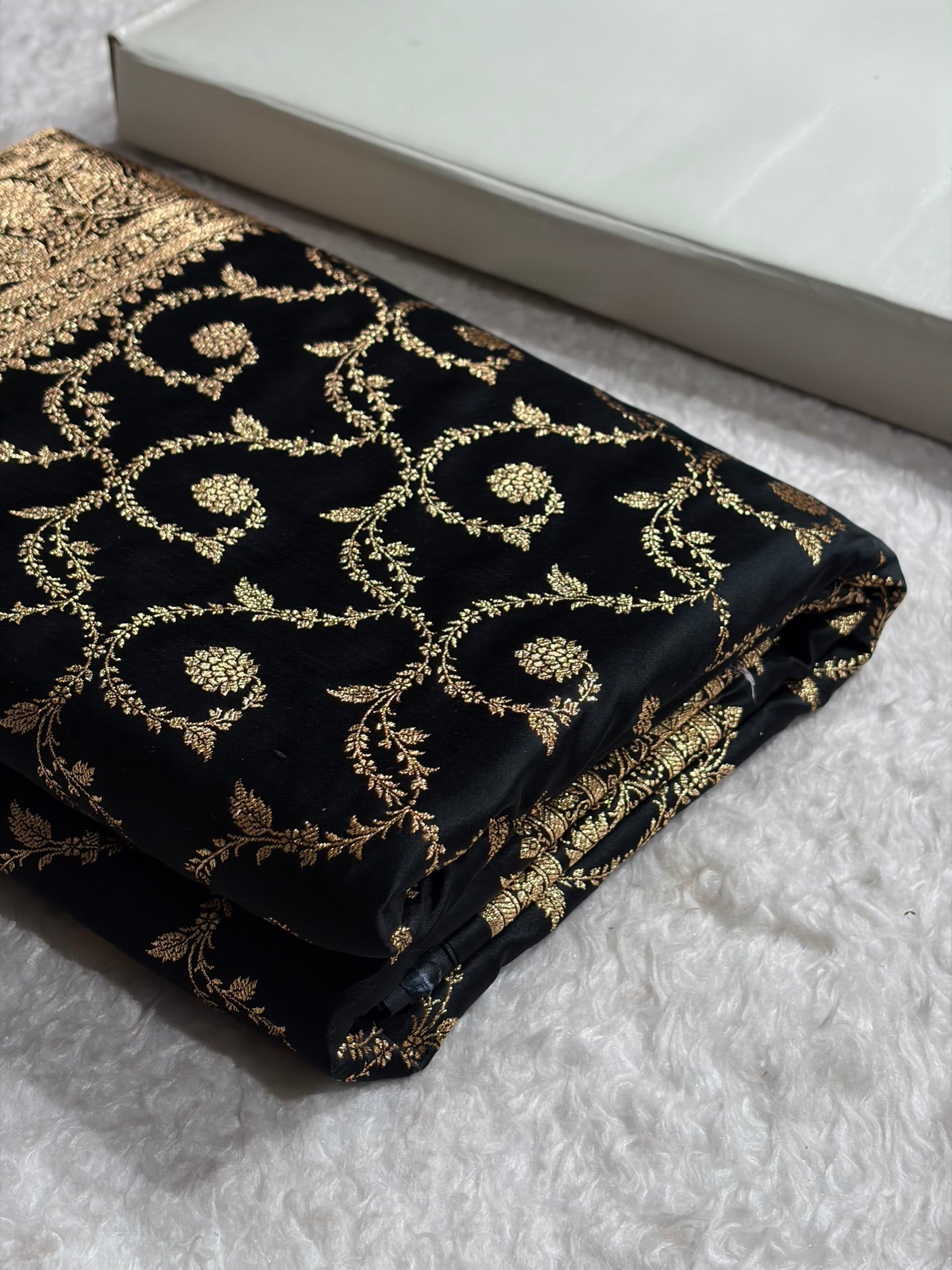
Delve into the rich cultural heritage of India by exploring its various saree traditions. Uncover the distinct regional weaving techniques, materials, and artistry that characterize Indian culture. An Investigation into Threads: Unveiling the Variety of Sarees in India Mysore Pattu India's cultural wealth is intricately interlaced with the fabric of its traditional clothing — the saree. From historical looms to contemporary fashion shows, the saree persists in its evolution while remaining anchored in its profound cultural heritage. Every region in India narrates a distinct tale through its textile artistry, weaving methods, designs, and vivid hues. This blog invites you to embark on a journey throughout India to discover the various saree traditions that honor craftsmanship and cultural legacy. 1️⃣ The Grace of South India Kanjeevaram Sarees – Tamil Nadu Revered as the "Queen of Silk," Kanjeevaram sarees are renowned for their luxurious silk, striking contrast borders, and designs inspired by temples. These sarees are favored by brides, representing opulence and tradition. Mysore Silk Sarees – Karnataka Characterized by fine silk, a subtle sheen, and exquisite zari work, Mysore Silk sarees are lightweight yet regal, making them suitable for both festive occasions and everyday wear. Kasavu Sarees – Kerala The white-and-gold Kasavu sarees from Kerala embody purity and simplicity. Traditionally donned during Onam and weddings, these sarees symbolize the tranquil beauty of Kerala. 2️⃣ The Vibrance of Western IndiaBandhani Sarees – Gujarat & Rajasthan The tie-and-dye technique known as Bandhani produces vibrant patterns filled with color. Perfect for celebrations and weddings, these sarees add a cheerful touch to any collection. Paithani Sarees – Maharashtra Featuring peacock designs, gold zari, and a regal legacy, Paithani sarees are treasured items — frequently handed down through generations. 3️⃣ The Grace of Eastern IndiaBanarasi Sarees – Uttar Pradesh Crafted by hand in Varanasi, Banarasi silk sarees showcase elaborate brocade designs. Their enduring charm has established them as a worldwide favorite for wedding attire. Baluchari Sarees – West Bengal Renowned for their mythological narratives woven into the pallu, Baluchari sarees are exquisite storytelling works made from fine silk. Sambalpuri Sarees – Odisha Ikat-dyed Sambalpuri sarees are vibrant with striking geometric and traditional patterns, embodying the artistic essence of Odisha. 4️⃣ The Cultural Heritage of Central IndiaChanderi Sarees – Madhya Pradesh The lightweight fabric, exquisite elegance, and intricate designs render Chanderi sarees an elegant option for summer weddings and professional attire. 5️⃣ The Rich Heritage of Northeastern India Assam Silk Sarees Crafted from Muga, Eri, and Pat silks, Assam silk sarees are robust, radiant, and intricately tied to Assamese traditions. Their inherent golden luster renders them both unique and opulent. Technique Known For Popular Regions Handloom Weaving Manual artistic weaving Across India Zari Work Gold & silver thread designs Banaras, Kanchipuram Ikat Dyeing Resist dye patterns Odisha, Andhra Pradesh Block Printing Wooden stamp prints Rajasthan, Gujarat Tie & Dye Dotted colorful patterns Rajasthan, Gujarat Sarees in Contemporary Fashion In the present day, Indian designers merge traditional elements with modern aesthetics — rendering sarees increasingly versatile and appealing on a global scale. Contemporary drapes, soft pastel shades, digital patterns, and lightweight materials enable sarees to seamlessly integrate into daily fashion. The Timelessness of Indian Sarees They embody cultural identity They pay tribute to artisanal skill and creativity They are suitable for all ages, body shapes, and events They serve as heirlooms that possess sentimental value Final Thoughts The saree transcends being merely a piece of clothing — it narrates a tale interwoven in its fabric. Whether it is a splendid Banarasi, a regal Paithani, or an elegant Kasavu, each saree encapsulates a fragment of India’s rich history and craftsmanship. As we adopt modern fashion trends, it is crucial to preserve these traditional weaves to protect India’s cultural legacy. Explore. Honor. Adorn yourself with the heritage of India — one saree at a time.
Learn more
The Empowering Essence of the Saree | Cultural Significance, Identity, and Empowerment
Explore the empowering essence of the saree—its cultural significance, identity, elegance, and role in uplifting women across generations and modern society. The Empowering Essence of the Saree: Cultural Importance, Identity, and Empowerment Mysore Pattu The saree transcends being merely a six-yard piece of fabric. It serves as a timeless representation of India’s cultural heritage, craftsmanship, and femininity. Over the centuries, it has consistently been one of the most recognizable garments donned by women from various regions, cultures, and identities. The saree embodies narratives—of artisans, traditions, empowerment, and grace. In contemporary times, it continues to adapt while preserving its enduring influence: the ability to instill confidence, elegance, and a profound connection to one’s heritage in women. This blog delves into the deep significance of the saree—its cultural implications, its role in shaping identity, and its capacity to empower women in both traditional and modern contexts. 1. The Cultural Importance of the SareeA Garment Deeply Embedded in Tradition The saree has been an integral part of Indian culture for millennia. It embodies: Heritage Spirituality Craftsmanship Regional diversity Every state in India conveys a unique visual narrative through its saree—Banarasi from Uttar Pradesh, Kanchipuram from Tamil Nadu, Bandhani from Gujarat, Kasavu from Kerala, Tussar from Jharkhand, among others. Each weave encapsulates centuries of tradition and artistic heritage. Symbol of Celebration and Rituals From weddings to festivals and various rituals, the saree is an essential element of Indian festivities. Specific sarees are designated for particular events: Red sarees for marriage and purity White sarees for peace and prayer Silk sarees for auspicious ceremonies Zari borders for grand occasions The saree does not merely cover the body—it enhances the occasion. 2. The Saree as a Marker of IdentityA Reflection of Regional Identity Each draping style—and there are over 100—mirrors cultural origins. Examples include: Nivi drape (Andhra Pradesh) Maharashtrian Nauvari drape Bengali Aatpoure drape Coorgi drape Gujarati pallu style The saree conveys who you are, your origins, and the cultural influences that shape your existence. A Universal Expression of Gender Although traditionally linked to women, the saree is now adopted by individuals of all genders. It represents freedom of expression, acceptance, and personal identity. Numerous contemporary influencers, artists, and performers don sarees to showcase individuality, challenging gender norms. A Personal Style Statement From understated chiffon sarees to opulent Kanchipuram silks, the saree enables every wearer to convey: Confidence Elegance Femininity Simplicity Power No two women drape a saree identically—each possesses her own grace, personality, and narrative. 3. Empowerment Through EleganceA Garment That Commands Respect A woman adorned in a saree inherently exudes a unique presence—one characterized by dignity, confidence, and self-esteem. The saree enhances her image in various social, professional, and cultural contexts. Preserving Artisanship and Empowering Communities The craft of saree weaving provides direct support to millions of artisans throughout India: Handloom weavers Dyers Embroiderers Zari workers Hand-painters Opting for handloom sarees not only preserves age-old crafts but also empowers rural communities, particularly women artisans who rely on weaving for their livelihood. A Symbol of Economic Empowerment Women entrepreneurs—owners of boutiques, designers, saree retailers, and online brands—are leveraging sarees to establish thriving businesses. The saree industry fosters financial and professional empowerment for women, spanning from small towns to major metropolitan areas. 4. The Saree in Modern Society: Strength Meets StyleGlobal Influence In contemporary times, the saree has transcended its Indian origins. It is now showcased on international runways, red carpets, and at global events. Celebrities and fashion designers worldwide recognize its elegance and adaptability. Comfortable Yet Powerful Modern sarees are crafted to be: Lightweight Easy to drape Travel-friendly Appropriate for both office settings and events Women are now combining sarees with belts, jackets, crop tops, and sneakers—demonstrating that tradition can harmoniously merge with innovation. A Tool of Feminine Expression For numerous women, the act of draping a saree carries deep emotional significance. It evokes memories of their mother, grandmother, or cultural heritage. It reinforces their sense of belonging and empowers them in their cultural identity. 5. The Empowering Nature of the Saree It promotes body positivity—suitable for all body types and sizes. It seamlessly merges tradition with contemporary fashion. It supports artisans and safeguards cultural heritage. It offers limitless opportunities for creativity and styling. It instills grace, confidence, and elegance. The saree is not merely worn—it is an experience. Conclusion The saree represents a celebration of womanhood, history, and identity. It empowers individuals by linking generations, cultures, and communities. Whether it is a Mysore silk drape for a festival, a Kanchipuram for a wedding, or a delicate chiffon for a modern occasion, the saree remains a powerful symbol of strength and pride. Wearing a saree transcends the act of putting on a garment—it is an embrace of a rich legacy.
Learn more
Ways to Style a Saree for a Contemporary Appearance | Modern Saree Styling Tips 2025
Uncover intelligent and fashionable methods to drape and adorn your saree for a modern appearance—while preserving its traditional elegance. Delve into contemporary blouse concepts, popular draping techniques, understated accessories, and fusion styling advice to enhance any saree with ease. Methods to Wear a Saree for a Modern Look (Even When It Is Traditional) Maysore Pattu The saree stands as one of the most graceful traditional garments, continually evolving with each generation. Current fashion trends demonstrate that a saree can embody both timelessness and modernity, based on how it is styled. Whether you are getting ready for a wedding, a festive occasion, an office gathering, or a contemporary photoshoot, adding a modern flair to your saree can significantly enhance your appearance. Here are several clever, fashionable, and straightforward methods to refresh a traditional saree with a contemporary look. 1. Experiment with Contemporary Draping Techniques The drape is the initial element that alters the appearance of your saree. Rather than adhering to the traditional Nivi style, consider these alternatives: ✔ Belted Saree Style A sleek belt (whether fabric, leather, or metallic) cinches the waist, producing a structured silhouette. This look is ideal for silk sarees, organza, or crepe. ✔ Pant-Style Saree Drape your saree over fitted pants instead of a petticoat—this approach is bold, chic, and suitable for events or cocktail evenings. ✔ Pre-Pleated and Structured Drapes These styles create a sculpted, modern shape while maintaining the saree's flowy and elegant nature. 2. Opt for a Contemporary Blouse Design Your blouse can significantly alter the appearance of your saree. Combine traditional sarees with fashionable blouse designs such as: High-neck couture blouses Corset blouses Halter-neck or one-shoulder blouses Blouses featuring balloon sleeves or cape sleeves Sequined or tissue-fabric blouses for festive allure A contemporary blouse instantly refreshes your saree ensemble, making it look youthful and stylish. 3. Minimalist Jewellery for Maximum Effect Modern styling often embraces the philosophy of 'less is more.' Replace heavy necklaces with bold statement earrings Select sleek bangles or a singular bracelet Layer delicate chains for an Indo-western aesthetic Opt for clean, sharp, geometric jewellery This approach maintains a modern appearance while allowing the saree to take center stage. 4. Modern Hairstyles That Enhance Your Look Your hairstyle significantly contributes to conveying a modern vibe. Straight, sleek ponytail Messy low bun Side-parted wavy hair left open Top knot adorned with a statement gajra for an Indo-fusion effect Wet hair look for evening occasions Simple hairstyles often accentuate contemporary fashion more effectively than intricate ones. 5. Fusion Accessories for a Contemporary Twist Incorporate a hint of modern charm with: Stylish waist belts Metallic clutches Statement belts Boots or block heels Layered rings and cuffs Modern handbags or potlis These minor additions provide your traditional saree with a fashionable update. 6. Combine Traditional Sarees with Western Influences Fashion in the present day emphasizes fusion. Consider pairing your saree with: A blazer or jacket A long shrug Crop-top-style blouses Denim or leather jackets for striking statements This trend harmonizes beautifully with silk, chiffon, and cotton sarees. 7. Experiment with Colors and Textures Contemporary styling frequently embraces bold contrasts and soft pastels. Consider combinations such as: Pastel blouses paired with Kanjivaram sarees Metallic hues with organza Contrasting solid blouses for Banarasi sarees Monochrome saree and blouse sets for a sleek modern aesthetic 8. Choose Lightweight Fabrics for a Streamlined Appearance Chiffon, organza, satin, crepe, linen, and soft silks assist in achieving: A flowing silhouette A minimalist modern look Flexible draping options These materials effortlessly enhance the contemporary essence. Concluding Thoughts A saree is timeless — yet the manner in which you style it can render it fresh, modern, and fashion-forward. With the appropriate drape, blouse, accessories, and hairstyle, even the most traditional saree can transform into a statement of contemporary elegance. Whether you favor classic Banarasi, Kanjivaram, Mysore silk, or organza sarees, there are countless ways to incorporate modern charm into your traditional wardrobe. Explore, blend trends, and personalize the saree to reflect your unique style.
Learn more
Mysore Silk Sarees: A Journey Through History, Elegance, and Contemporary Styling Advice
Mysore Silk Sarees are a timeless symbol of elegance and heritage, known for their rich texture, vibrant colors, and exquisite craftsmanship. From traditional zari borders to intricate hand-painted designs, these sarees showcase the finest artistry in handloom silk. Whether you're looking for a wedding saree, festive attire, or a classic addition to your wardrobe, our collection offers a wide range of styles, including contrast borders, temple motifs, jaal work, and Kalamkari prints. Explore our exclusive range of authentic Mysore Silk Sarees online and embrace the charm of South Indian tradition!
Learn more