Explore the empowering essence of the saree—its cultural significance, identity, elegance, and role in uplifting women across generations and modern society.
The Empowering Essence of the Saree: Cultural Importance, Identity, and Empowerment
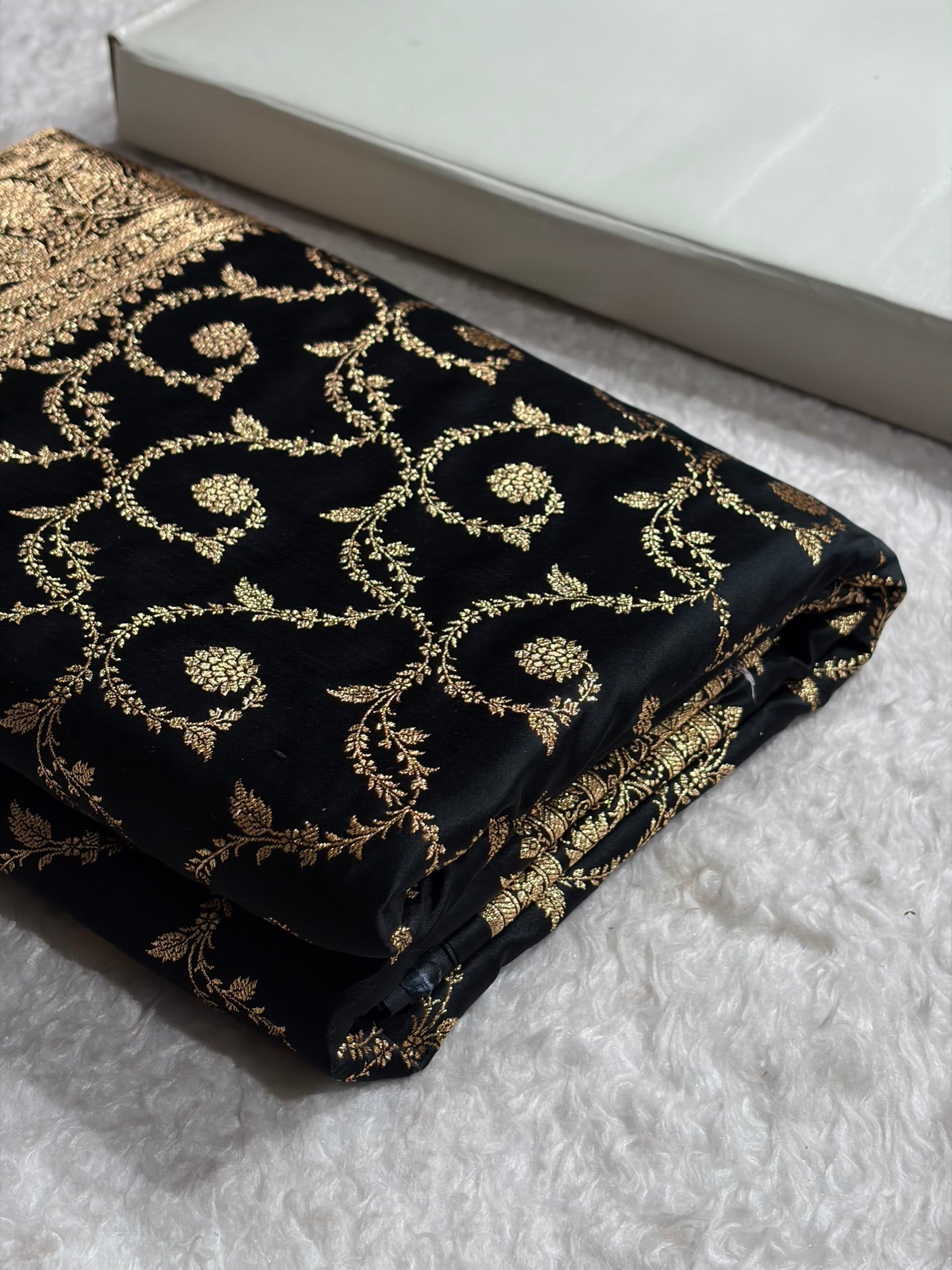
Mysore Pattu The saree transcends being merely a six-yard piece of fabric. It serves as a timeless representation of India’s cultural heritage, craftsmanship, and femininity. Over the centuries, it has consistently been one of the most recognizable garments donned by women from various regions, cultures, and identities. The saree embodies narratives—of artisans, traditions, empowerment, and grace. In contemporary times, it continues to adapt while preserving its enduring influence: the ability to instill confidence, elegance, and a profound connection to one’s heritage in women.
This blog delves into the deep significance of the saree—its cultural implications, its role in shaping identity, and its capacity to empower women in both traditional and modern contexts.

1. The Cultural Importance of the Saree
A Garment Deeply Embedded in Tradition
The saree has been an integral part of Indian culture for millennia. It embodies:
- Heritage
- Spirituality
- Craftsmanship
- Regional diversity
Every state in India conveys a unique visual narrative through its saree—Banarasi from Uttar Pradesh, Kanchipuram from Tamil Nadu, Bandhani from Gujarat, Kasavu from Kerala, Tussar from Jharkhand, among others. Each weave encapsulates centuries of tradition and artistic heritage.
Symbol of Celebration and Rituals
From weddings to festivals and various rituals, the saree is an essential element of Indian festivities. Specific sarees are designated for particular events:
- Red sarees for marriage and purity
- White sarees for peace and prayer
- Silk sarees for auspicious ceremonies
- Zari borders for grand occasions
The saree does not merely cover the body—it enhances the occasion.
2. The Saree as a Marker of Identity
A Reflection of Regional Identity
Each draping style—and there are over 100—mirrors cultural origins. Examples include:
- Nivi drape (Andhra Pradesh)
- Maharashtrian Nauvari drape
- Bengali Aatpoure drape
- Coorgi drape
- Gujarati pallu style
The saree conveys who you are, your origins, and the cultural influences that shape your existence.
A Universal Expression of Gender
Although traditionally linked to women, the saree is now adopted by individuals of all genders. It represents freedom of expression, acceptance, and personal identity. Numerous contemporary influencers, artists, and performers don sarees to showcase individuality, challenging gender norms.
A Personal Style Statement
From understated chiffon sarees to opulent Kanchipuram silks, the saree enables every wearer to convey:
- Confidence
- Elegance
- Femininity
- Simplicity
- Power
No two women drape a saree identically—each possesses her own grace, personality, and narrative.
3. Empowerment Through Elegance
A Garment That Commands Respect
A woman adorned in a saree inherently exudes a unique presence—one characterized by dignity, confidence, and self-esteem. The saree enhances her image in various social, professional, and cultural contexts.
Preserving Artisanship and Empowering Communities
The craft of saree weaving provides direct support to millions of artisans throughout India:
- Handloom weavers
- Dyers
- Embroiderers
- Zari workers
- Hand-painters
Opting for handloom sarees not only preserves age-old crafts but also empowers rural communities, particularly women artisans who rely on weaving for their livelihood.
A Symbol of Economic Empowerment
Women entrepreneurs—owners of boutiques, designers, saree retailers, and online brands—are leveraging sarees to establish thriving businesses. The saree industry fosters financial and professional empowerment for women, spanning from small towns to major metropolitan areas.
4. The Saree in Modern Society: Strength Meets Style
Global Influence
In contemporary times, the saree has transcended its Indian origins. It is now showcased on international runways, red carpets, and at global events. Celebrities and fashion designers worldwide recognize its elegance and adaptability.
Comfortable Yet Powerful
Modern sarees are crafted to be:
- Lightweight
- Easy to drape
- Travel-friendly
- Appropriate for both office settings and events
Women are now combining sarees with belts, jackets, crop tops, and sneakers—demonstrating that tradition can harmoniously merge with innovation.
A Tool of Feminine Expression
For numerous women, the act of draping a saree carries deep emotional significance. It evokes memories of their mother, grandmother, or cultural heritage. It reinforces their sense of belonging and empowers them in their cultural identity.
5. The Empowering Nature of the Saree
- It promotes body positivity—suitable for all body types and sizes.
- It seamlessly merges tradition with contemporary fashion.
- It supports artisans and safeguards cultural heritage.
- It offers limitless opportunities for creativity and styling.
- It instills grace, confidence, and elegance.
- The saree is not merely worn—it is an experience.

Conclusion
The saree represents a celebration of womanhood, history, and identity. It empowers individuals by linking generations, cultures, and communities. Whether it is a Mysore silk drape for a festival, a Kanchipuram for a wedding, or a delicate chiffon for a modern occasion, the saree remains a powerful symbol of strength and pride.
Wearing a saree transcends the act of putting on a garment—it is an embrace of a rich legacy.