Explore the essential principles of designing ideal celebratory ethnic clothing. Gain insights into fabrics, colours, accessories, draping techniques, and styling advice for festive Indian appearances.
Essentials for Celebratory Ethnic Wear: An In-Depth Guide to Festive Indian Fashion
Mysore Pattu Indian festivities are characterized by their vibrancy, cultural richness, and splendor—and ethnic wear is central to every festive appearance. Be it a wedding, festival, pooja, engagement, or cultural event, selecting the appropriate outfit can enhance your elegance and strengthen your connection to tradition. However, finding the ideal celebratory ethnic outfit entails more than simply picking a beautiful dress. It requires a comprehension of fabrics, draping techniques, color schemes, accessories, and styling to create a complete and refined festive appearance.
This guide will walk you through all the essential elements you need to master in order to assemble impeccable celebratory ethnic attire.

1. Selecting the Appropriate Fabric for Festive Attire
Fabric serves as the cornerstone of your ethnic ensemble. The choice of material influences how elegantly your outfit drapes, reflects light, and appears in photographs.
Preferred Festive Fabrics
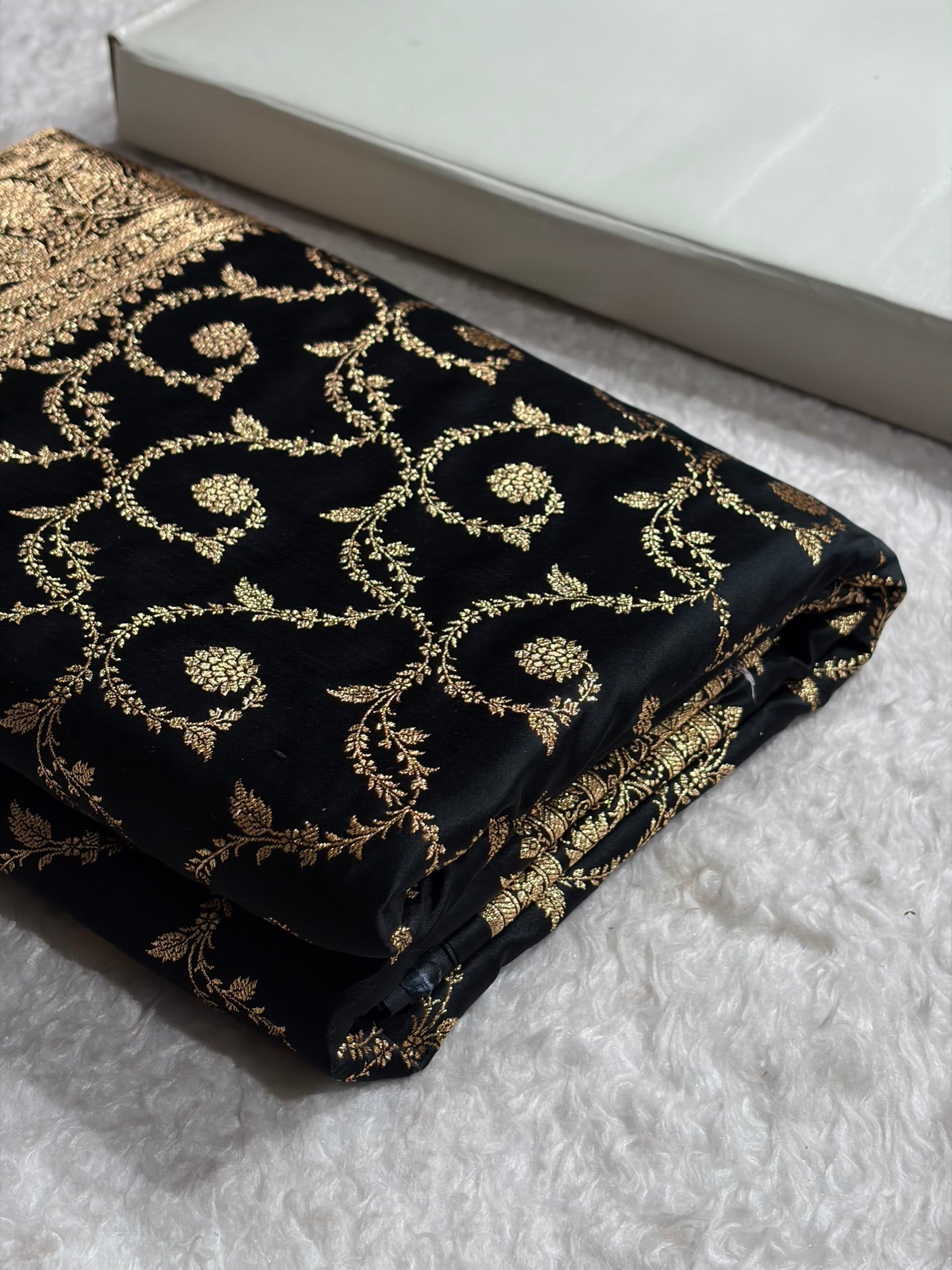
- Silk (Kanchipuram, Mysore, Banarasi) – Opulent, sophisticated, and timeless
- Tussar Silk – Textured, earthy, and ideal for high-end festive styling
- Crepe Silk – Lightweight with a flowing drape
- Chiffon & Georgette – Perfect for contemporary festive appearances
- Organza – Fashionable, delicate, and suitable for daytime festivities
- Brocade – Luxurious woven designs for significant events
Advice: For weddings and major festivals, opt for silk or brocade. For lighter celebrations, choose chiffon or georgette.
2. Comprehending Festive Color Schemes
Color influences the ambiance of your appearance. Attire for celebrations typically favors auspicious, traditional, and opulent hues.
Traditional Festive Colors
- Red & Maroon – Signifying prosperity, affection, and vibrancy
- Gold & Mustard – Symbolizes wealth and brilliance
- Royal Blue & Navy – Noble and suitable for photography
- Green – Represents growth and balance
- Pink & Peach – Delicate, feminine, and contemporary
Contemporary Trendy Festive Colors
- Lavender
- Rose Gold
- Olive Green
- Champagne Beige
- Sunset Orange
Select colors that enhance your skin tone AND are appropriate for the nature of the event.
3. The Art of Draping and Silhouette
Draping has an immediate impact on the overall character of your clothing.
For Sarees:
- Classic Nivi drape – The most universal and sophisticated option
- Bengali drape – Opulent and traditional
- Gujarati drape – Ideal for weddings
- Modern pallu-over-shoulder drape – Fashionable and youthful
For Lehengas:
- Consider
- A-line silhouettes
- Flared lehengas
- Panelled lehengas
- Lightweight twirls for festive movement
For Salwar Sets:
- Anarkalis for regal elegance
- Straight suits for understated festive grace
- Sharara or Gharara for contemporary celebration styling
4. Statement Blouses & Coordinated Designs
Your blouse or top sets the tone for your outfit.
Trending Blouse Styles
- V-neck embroidered blouses
- Brocade zari blouses
- Elbow-sleeve traditional cuts
- Sleeveless contemporary styles
- Boat-neck minimal designs
The essential principle is to maintain balance:
If the saree is elaborate → opt for a subtle blouse.
If the saree is understated → select a more ornate blouse.
5. Accessorizing in a Festive Manner
Accessories enhance your outfit, transforming it from plain to festive.
Essential Festive Accessories
- Jhumkas or Chandbalis
- Kundan or Temple Jewelry
- Glass or metal bangles
- Waist belt (Vaddanam) for sarees
- Potli bags for both tradition and practicality
- Hair accessories such as gajra, pins, or maang tika
Tip: Avoid excessive accessorizing. Select items that enhance your ensemble rather than dominate it.
6. Makeup and Hairstyling to Finalize the Appearance
Your makeup ought to be appropriate for the occasion, lighting, and outfit.
Makeup Recommendations
- Daytime events: luminous base, neutral eye makeup, gentle shimmer
- Evening events: vibrant lip color, deeper kajal, striking eyeshadow
- Opt for gold or bronze shades for traditional appearances
Hairstyle Suggestions
- Gentle curls with a side part
- Classic bun adorned with gajra
- Contemporary braid embellished with hair accessories
- Low bun for an elegant effect
7. Footwear That Harmonizes Comfort and Celebration
Festivals entail extended periods—select footwear that is both stylish and comfortable.
Festive Selections
- Decorative juttis
- Zari-embroidered mojaris
- Block-heeled shoes
- Kolhapuri sandals
- Beaded wedge shoes
8. Final Touches: The Essentials of Finishing
To achieve a fully festive appearance, consider the following key points:
- Ensure that your attire is adequately pressed and devoid of creases.
- Bring along a coordinating dupatta or shawl to enhance your elegance.
- Focus on the drape of the pallu if you are wearing a saree.
- Select a long-lasting fragrance to accompany the festivities.
- Maintain a confident posture—your outfit will radiate more elegance with poise.

Conclusion
Creating a celebratory ethnic outfit is an art form deeply embedded in tradition, aesthetics, and individual expression. By selecting the appropriate fabrics, colors, draping techniques, accessories, and styling, one can achieve a festive appearance that is both timeless and contemporary. Whether you choose to wear a silk saree, a designer lehenga, or a sophisticated Anarkali, grasping these essential principles guarantees that your ensemble will shine beautifully at every celebration.